
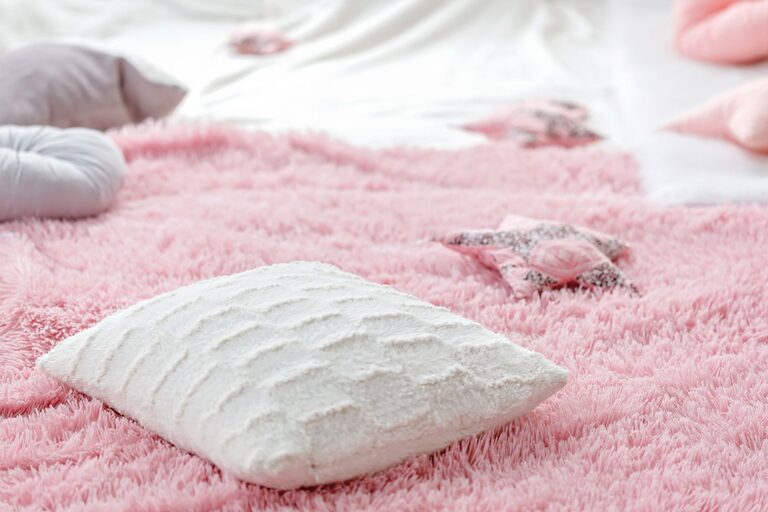
Getting a good night’s sleep starts with having the right pillow. A pillow supports your head and neck, helping maintain proper spinal alignment while you rest. Choosing the wrong pillow can lead to discomfort, neck pain, and restless nights. With so many options available, selecting the best pillow for your sleep style and preferences might feel overwhelming.
In this guide, we’ll walk you through everything you need to know to pick the perfect pillow for better sleep.
Why the Right Pillow Matters
Your pillow plays a crucial role in your overall sleep quality. It cushions your head, supports your neck, and helps keep your spine in a natural position. When your pillow doesn’t fit your sleep needs, it can cause stiffness, soreness, or even headaches.
A pillow that’s too high or too flat might strain your neck muscles, while one that’s too firm or too soft won’t provide proper support. Finding the right balance tailored to your sleeping position can make all the difference.
Factors to Consider When Choosing a Pillow
Before shopping for a pillow, consider these important factors:
1. Sleep Position
Your sleep posture largely determines the type of pillow that will offer the best support.
– Back sleepers: Look for a medium-loft (height) pillow that supports the natural curve of your neck without pushing your head too far forward.
– Side sleepers: Choose a firmer and thicker pillow to fill the space between your ear and shoulder, keeping your head and spine aligned.
– Stomach sleepers: Opt for a soft, thin pillow or consider no pillow at all to reduce strain on your neck.
2. Pillow Loft (Height)
The loft refers to the pillow’s thickness or height. This affects the angle of your neck and head.
– Low loft: Ideal for stomach sleepers or people with small frames.
– Medium loft: Great for back sleepers and those who change positions during the night.
– High loft: Best for side sleepers who need extra support between their shoulder and head.
3. Firmness Level
Firmness affects how much your pillow compresses under your head.
– Soft pillows: Contour gently and are often preferred by stomach sleepers.
– Medium pillows: Offer a balance of comfort and support, suitable for many back sleepers.
– Firm pillows: Maintain their shape under pressure, beneficial for side sleepers.
4. Pillow Filling Material
Different fillings offer various levels of support, comfort, and durability.
– Memory foam: Molds to the shape of your head and neck, providing customized support and pressure relief. Good for people with neck pain.
– Latex: Offers responsive support and is naturally hypoallergenic and resistant to dust mites.
– Down and feather: Soft and lightweight, providing a luxurious feel but may require fluffing and can cause allergies.
– Polyester fiberfill: Affordable and hypoallergenic but tends to flatten faster.
– Buckwheat: Filled with hulls that contour and allow air circulation. Provides firm support and lasting durability.
5. Allergies and Sensitivities
If you have allergies, opt for hypoallergenic materials like latex, memory foam, or specially treated down alternatives. Look for pillows with dust mite and mold resistance.
6. Temperature Regulation
Some pillows trap heat, leading to discomfort during sleep. Materials like latex, buckwheat, and gel-infused memory foam tend to stay cooler, making them ideal if you tend to sleep hot.
7. Durability and Maintenance
Consider how often you will need to replace the pillow. Memory foam and latex usually last longer than polyester fiberfill. Also, check if the pillow cover is removable and washable for easy maintenance.
How to Test a Pillow Before Buying
If possible, test the pillow in-store or buy from a retailer with a generous return policy. Here’s what to look for:
– Does the pillow feel comfortable right away, and does it keep your head and neck aligned?
– When lying down, can you comfortably breathe without your head being pushed forward or tilted?
– Does the pillow adjust well as you change positions?
– Check the pillow’s weight and heat retention to see if it feels right for you.
Caring for Your Pillow
Proper care can extend your pillow’s life and keep it fresh:
– Use a pillow protector to shield against sweat, oils, and dust.
– Wash pillowcases regularly.
– Follow manufacturer instructions for washing or spot cleaning the pillow.
– Fluff your pillow daily to maintain its shape.
– Replace pillows every 1-2 years or sooner if they lose support.
Summary: Choosing Your Perfect Pillow
- Identify your primary sleep position.
- Choose the right pillow loft and firmness.
- Pick a filling material that suits your comfort, allergies, and temperature needs.
- Test the pillow to ensure proper support.
- Maintain your pillow for lasting comfort.
Choosing the right pillow is a personal decision that impacts your sleep quality and overall wellbeing. Taking the time to find one that fits your unique needs can help you wake up feeling refreshed and ready for the day.
Feel free to share your pillow preferences or questions in the comments below!