
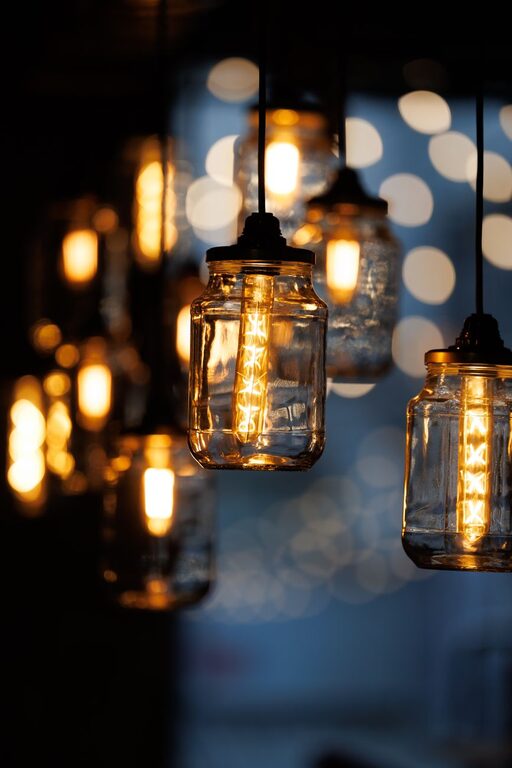
Creating a comfortable and welcoming atmosphere in your home often starts with the right lighting. Good lighting not only brightens up your space but also impacts your mood, productivity, and overall well-being. Choosing comfortable home lighting requires a balance between functionality, style, and warmth. In this post, we’ll explore practical tips to help you select lighting that complements your home’s feel and your personal comfort.
Why Comfortable Lighting Matters
Lighting affects how we see and feel in a space. Harsh or overly bright light can cause eye strain and discomfort, while dim or poorly placed lighting may leave a room feeling gloomy or uninviting. Comfortable lighting helps create a cozy environment, highlights your room’s features, and supports different activities like reading, cooking, or relaxing.
1. Understand Different Types of Lighting
To choose the best lighting for comfort, it helps to know the three main types of lighting used in homes:
– Ambient Lighting: This is the general light that illuminates the whole room. Examples include ceiling fixtures, chandeliers, or recessed lighting.
– Task Lighting: Focused lighting used for specific activities such as reading lamps, under-cabinet lights in the kitchen, or desk lamps.
– Accent Lighting: Used to highlight certain objects or architectural features, like picture lights or wall sconces.
Combining these three types ensures your space is well lit and adaptable to different needs.
2. Choose the Right Bulbs
The type and quality of bulbs greatly influence lighting comfort.
– LED Bulbs: Energy-efficient, long-lasting, and available in various color temperatures. LEDs are the most popular choice for modern homes.
– Color Temperature: Measure in Kelvins (K), this describes the warmth or coolness of light:
– Warm white (2700K-3000K) creates a cozy, relaxing vibe, ideal for living rooms and bedrooms.
– Neutral white (3500K-4100K) works well in kitchens and bathrooms.
– Cool white (5000K-6500K) mimics daylight and suits workspaces but may feel harsh in living areas.
– Dimmable Bulbs: Allow you to adjust brightness to suit the time of day or mood, greatly enhancing comfort.
3. Focus on Lighting Placement
Where you place your lights is as important as the light itself.
– Layer Your Lighting: Use a mix of ambient, task, and accent lighting to achieve balance.
– Avoid Glare and Shadows: Position lights so they don’t shine directly into your eyes or create distracting shadows.
– Use Multiple Light Sources: Instead of relying on one overhead light, incorporate floor lamps, table lamps, or wall sconces to spread light evenly.
4. Consider Fixtures and Design
Lighting fixtures affect both the aesthetic and comfort of your home.
– Choose Fixtures That Diffuse Light: Shades made of fabric or frosted glass soften light for a warm glow.
– Match Your Style: Pick fixtures that complement your decor to create harmony in your space.
– Size Matters: Fixtures should be proportionate to the room. Too large or too small can impact how light spreads.
5. Use Smart Lighting for Custom Comfort
Smart lighting systems offer flexibility and convenience.
– Adjust Brightness and Color: Control your lighting remotely or program it to change throughout the day.
– Set Scenes: Create presets for different activities such as dinner, reading, or watching TV.
– Energy Savings: Smart bulbs often include timers and sensors to reduce wasted energy.
6. Take Advantage of Natural Light
Natural daylight is the most comfortable lighting source.
– Maximize Windows: Use light, airy curtains or blinds to allow in as much daylight as possible.
– Reflect Light: Use mirrors and light-colored walls to bounce daylight deeper into rooms.
– Adjust Artificial Lighting: Complement natural light based on the time of day to maintain a comfortable environment.
7. Pay Attention to Room Function
Different rooms have different lighting needs.
– Living Room: Warm, layered lighting encourages relaxation. Use dimmable ceiling lights, floor lamps, and accent lights.
– Kitchen: Bright, cool white task lighting helps with food preparation. Under-cabinet lights improve visibility on countertops.
– Bedroom: Soft, warm lighting promotes rest. Bedside lamps with adjustable brightness help with nighttime reading.
– Bathroom: Bright, shadow-free task lighting near mirrors is essential. Combine with softer ambient lighting for comfort.
8. Test and Adjust
Lighting preferences are personal, so don’t hesitate to experiment.
– Try Different Bulbs and Placements: Swap bulbs or move lamps to see what feels best.
– Live with Your Setup: Use the lighting for a few days to understand its impact.
– Ask for Feedback: Household members may have different comfort needs.
—
Final Thoughts
Choosing comfortable home lighting is a blend of science and style. By understanding the types of lighting, selecting the right bulbs, planning thoughtful placement, and considering your lifestyle, you can create an inviting and cozy home environment. Remember to layer your lighting, take advantage of natural light, and use dimmers or smart controls for ultimate comfort.
With these tips, you’re well on your way to lighting your home in a way that feels just right every day. Happy lighting!